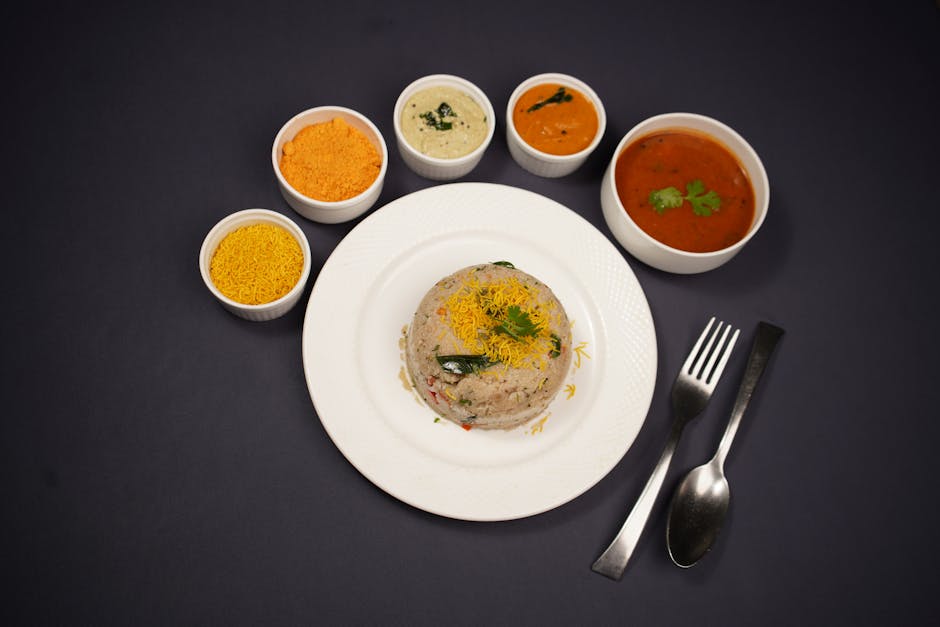
Bisi Bele Bath
ಬಿಸಿ ಬೇಳೆ ಬಾತ್
Bisi Bele Bath — literally 'hot lentil rice' in Kannada — is Karnataka's greatest comfort dish: a thick, porridge-like one-pot of rice and toor dal cooked until they collapse together, loaded with vegetables, soured with tamarind, and unified by a freshly ground spice blend that is unlike any other masala in Indian cooking. That masala is the entire secret of the dish: dried red chillies, coriander seeds, chana dal, urad dal, dried coconut, a stick of cinnamon, cloves, cardamom, marathi mokku (dried kapok buds — earthy and floral), and stone flower (dagad phool) are all dry-roasted separately and ground fresh for each batch. Store-bought bisi bele bath powder is available but misses the freshness entirely. The finished dish must be eaten scalding hot — bisi means hot — with a generous pool of cold ghee on top that melts into the porridge on the way to the table, and a final tempering of mustard seeds, curry leaves, broken dried chilli, and toasted cashews poured over. It is served with a small bowl of papad and a wedge of lime, and eaten with a spoon.
- Total
- 50 min
- Serves
- 4
- Level
- Medium
Prep 20 min · Cook 30 min
Ingredients
Method
Make the bisi bele bath masala first — this is the defining step. In a dry pan over medium-low heat, toast each ingredient separately: first the dried red chillies (1–2 min until they darken and smell toasty, not burnt), then the coriander seeds (2 min until golden), then chana dal (2–3 min until light golden), then urad dal (1–2 min until pale gold), then cloves, cinnamon, cardamom, and marathi mokku all together (1 min). Finally, add the dried coconut and stir constantly for 3–4 minutes until it turns a deep, even golden-brown and smells nutty. Allow everything to cool completely on a plate, then grind it all together in a spice grinder or blender to a fine, fragrant powder. This masala makes enough for this recipe with a little left over.
About 18 min
Pressure cook the rice and toor dal together: rinse them well, then combine in a pressure cooker with 900 ml of water, the turmeric, and ½ teaspoon of salt. Cook for 4–5 whistles on medium heat until the dal is completely dissolved and the rice is very soft — almost mushy. This over-cooked texture is correct and intentional; bisi bele bath is a porridge, not a pilaf. Mash the cooked rice-dal mixture lightly with the back of a ladle and set aside.
About 18 min
Cook the vegetables with tamarind: in a large, wide pot, combine the diced carrots, potato, green beans, and peas with the extracted tamarind water (add enough plain water to just cover — about 300 ml total). Bring to a boil and cook for 8–10 minutes until the vegetables are tender but not falling apart. Add the prepared bisi bele bath masala powder and stir through. Cook for 2 more minutes — the broth will thicken slightly and the raw spice smell will disappear.
About 12 min
Combine everything: add the mashed rice-dal mixture to the vegetable-tamarind pot. Stir vigorously over medium heat, adding hot water as needed — the consistency should be thick and porridge-like, flowing slowly when you tilt the pot. Too thick and it's stodgy; too thin and the flavours separate. Add 30 g of ghee (2 tablespoons), taste, and adjust salt. The flavour should be sour from tamarind, deep and complex from the masala, and rich from the ghee. Simmer together for 5–6 minutes, stirring constantly to prevent the bottom from catching.
About 10 min
Make the tadka: heat the remaining ghee in a small pan over medium-high heat. Add the mustard seeds — cover immediately, they'll pop within 30 seconds. Add the broken dried red chilli and hing — it'll puff up. Add the curry leaves (step back, they'll hiss) and then the halved cashews. Stir the cashews for 60–90 seconds until they are a deep golden colour. Pour this entire tadka over the bisi bele bath immediately. Serve piping hot — in the traditional Udupi restaurant style, in a steel bowl with a fresh dollop of cold ghee melting on the surface. Eat with papad and a wedge of lime.
About 5 min
Nutrition per serving (estimate)
- Calories
- 450
- Protein
- 14 g
- Carbs
- 73 g
- Fat
- 11 g
- Fibre
- 10 g
- Sugar
- 7 g
- Sodium
- 590 mg
You might also cook
All Indian recipes


Recipe by Boon Tools.