Budget Planner & Cash Flow Calculator
Plan your finances with 50/30/20 budget rule • Track cash flow • Calculate emergency fund • Compare scenarios
Unlock Your PDF Report
Scroll down and enter your email to download a beautifully designed PDF with your complete budget breakdown, 50/30/20 analysis, and money-saving tips.
Add Income or Expense
Quick Add Common Expenses
Your Budget Items
Income
Needs (50%)
Wants (30%)
Savings & Investments (20%)
Estimate only. Results are calculated only from the figures you entered. This tool does not connect to your bank and cannot see your real income or spending. These figures are for general information, are not financial advice, and should not be relied on for a financial decision. Verify with a qualified professional before you act.
Budget Summary
Yearly Projection
50/30/20 Budget Rule
Recommended: 50% needs, 30% wants, 20% savings
Emergency Fund
An emergency fund covering 6 months of expenses provides financial security in case of job loss, medical emergencies, or unexpected expenses.
12-Month Cash Flow Projection
Shows cumulative savings over 12 months based on current cash flow
Budget Breakdown
Visual breakdown of your spending by category
50/30/20 Rule Comparison
Your budget vs. recommended 50/30/20 rule
About This Budget Planner
Our Canadian budget planner helps you take control of your finances with comprehensive cash flow tracking, the proven 50/30/20 budget rule, and emergency fund calculations. Whether you're planning for your first home, building savings, or optimizing your spending, this tool provides the insights you need.
Features
Visual Charts
Interactive charts show your cash flow, spending breakdown, and budget rule compliance
50/30/20 Budget Rule
Automatically calculates and compares your spending to the recommended budget rule
Emergency Fund Calculator
Calculates recommended emergency fund based on 3-12 months of expenses
Scenario Management
Save, compare, and analyze multiple budget scenarios side-by-side
Export & Print
Export your budget to JSON or CSV format, or print for offline reference
Canadian-Focused
Includes RRSP, TFSA, RESP, and other Canadian savings vehicles
How to Use This Budget Planner
Add Your Income
Enter all income sources including salary, side income, investments, and government benefits. Use after-tax amounts for accuracy.
Add Your Expenses
Categorize expenses as Needs (essentials), Wants (discretionary), or Savings. Use the quick-add suggestions for common expenses.
Review Your Budget
Check your cash flow summary and see how your spending compares to the 50/30/20 rule. Look for areas to optimize.
Save Scenarios
Save your current budget as a scenario to compare different financial situations (e.g., "With Raise", "After Mortgage").
Export or Print
Export your budget to CSV for spreadsheet analysis, JSON for data backup, or print for offline reference.
Frequently Asked Questions
What is the 50/30/20 budget rule?
The 50/30/20 rule is a simple budgeting framework: allocate 50% of income to needs (rent, groceries, utilities), 30% to wants (entertainment, dining out), and 20% to savings and debt repayment. It's a guideline, not a strict rule.
How much emergency fund should I have in Canada?
Financial experts recommend 3-6 months of expenses as a minimum emergency fund. Conservative savers may target 9-12 months. Consider factors like job stability, dependents, and health when choosing your target.
Should I use before-tax or after-tax income?
Use after-tax (take-home) income for the most accurate budget. This is the actual amount available for spending and saving. You can calculate after-tax income using our Canadian Tax Calculator.
How do I categorize RRSP and TFSA contributions?
RRSP and TFSA contributions should be categorized as "Savings" (the 20% portion). These are long-term savings vehicles that help you build wealth and save for retirement.
What if my budget doesn't match 50/30/20?
The 50/30/20 rule is a guideline. In high cost-of-living areas like Toronto or Vancouver, needs may exceed 50%. Focus on keeping savings at 15-20% minimum and reducing discretionary spending where possible.
Are my budget scenarios saved online?
No. Scenarios are saved in your browser's storage. Nothing is sent to us unless you ask us to email you the summary, which includes your income and cash-flow totals.
Can I use this for multiple people or households?
Yes! Enter combined household income and expenses for a family budget. Use scenario management to compare individual vs. combined budgets, or different household compositions.
How often should I update my budget?
Review your budget monthly to track spending accuracy. Update it whenever your income changes (raise, new job) or major expenses change (new rent, car payment). Save scenarios to track progress over time.
Get Your Personalized Money Mastery Guide
Discover proven strategies to save an extra $500-$2,000/month & build wealth faster
Every Tool You Need,
In Your Pocket
From your budget to your bills to your habits, Boon Tools brings the home admin together: no bank login, no ads.

Reminder
Type "call Mom tomorrow at 3pm" and it works. Natural language, calendar view, smart notifications.
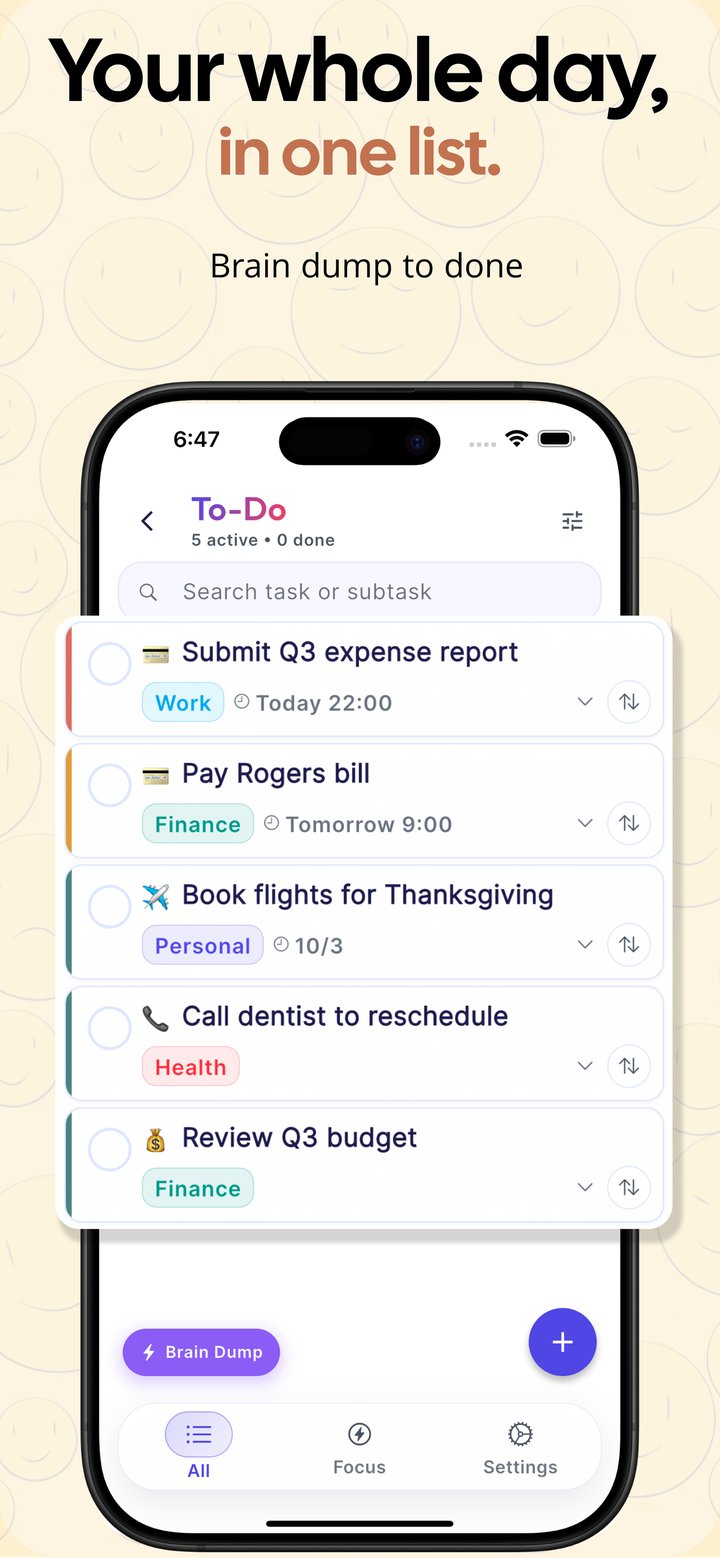
To Do
Brain-dump everything, then put one task on screen when the list gets loud. Natural language capture.
Habit Tracker
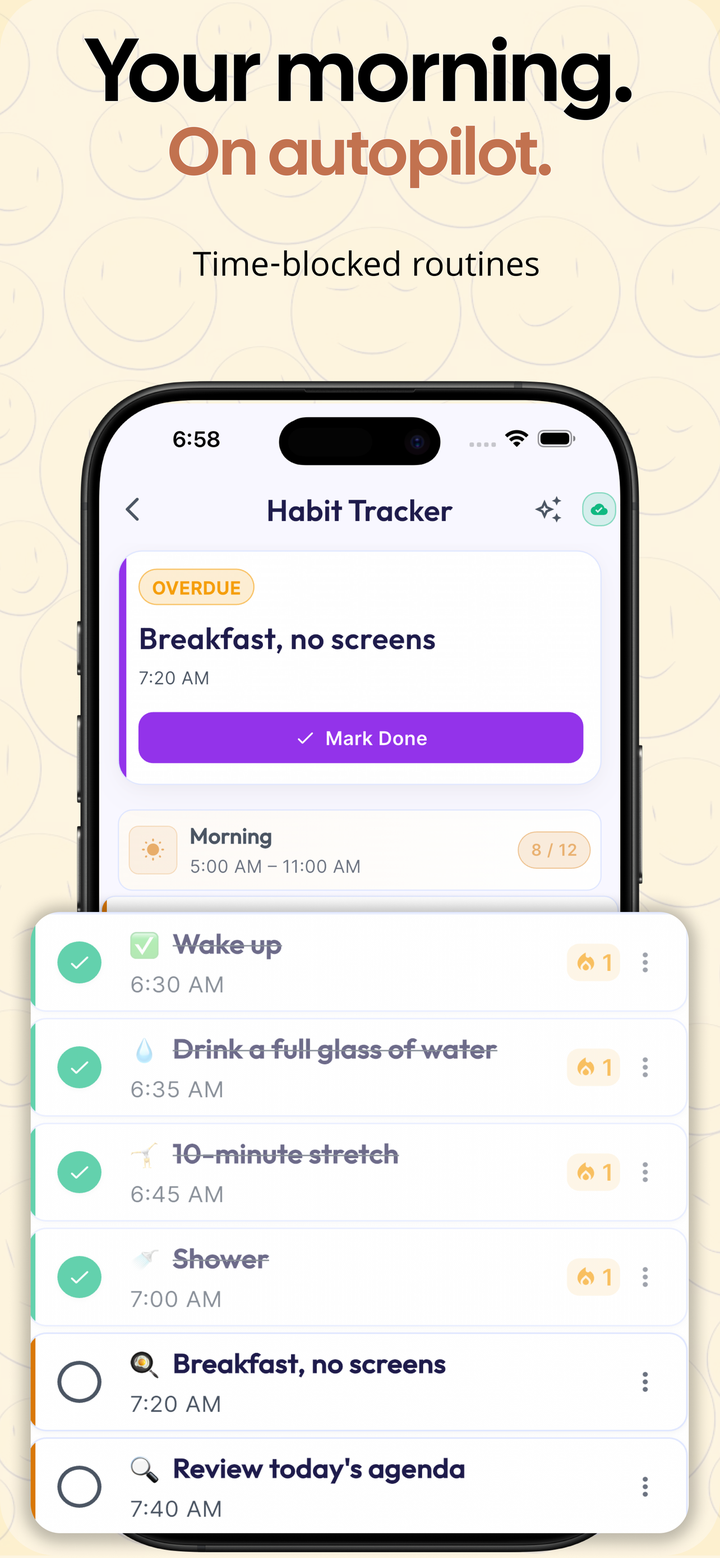
Time-blocked routines with streaks and sensor automation — not another guilt list.
ADHD Mode
One switch adds Flow Mode, Body Double, transition warnings and a got-derailed reset across the tools.
Across 4 ToolsWork Flow
Projects and tasks with Kanban boards, time tracking and custom fields.
Mortgage Calculator
Canadian mortgages with CMHC, land transfer tax, and full amortization by province.
Free Web ToolTax Calculator
2026 federal and provincial tax brackets. See take-home pay across all provinces.
Free Web ToolBudget Tracker
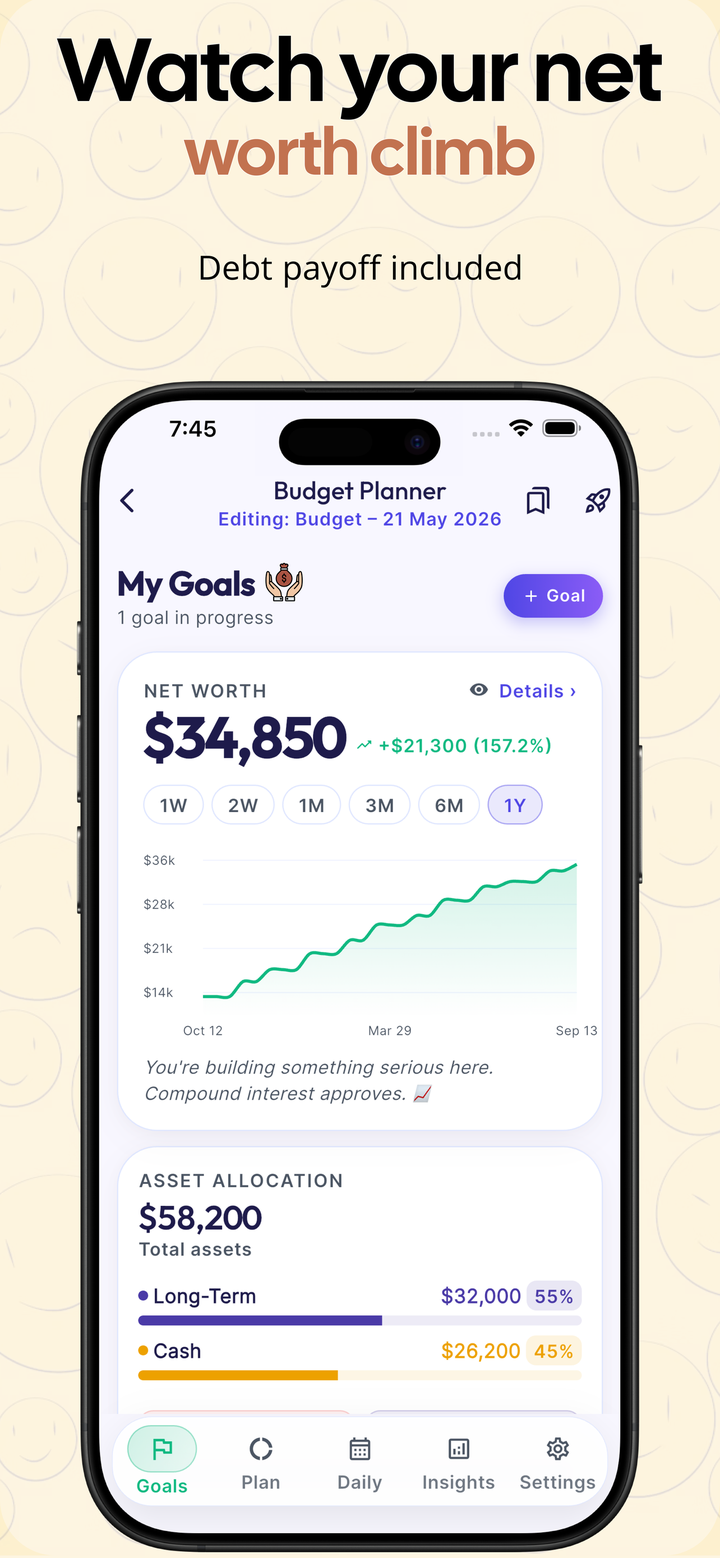
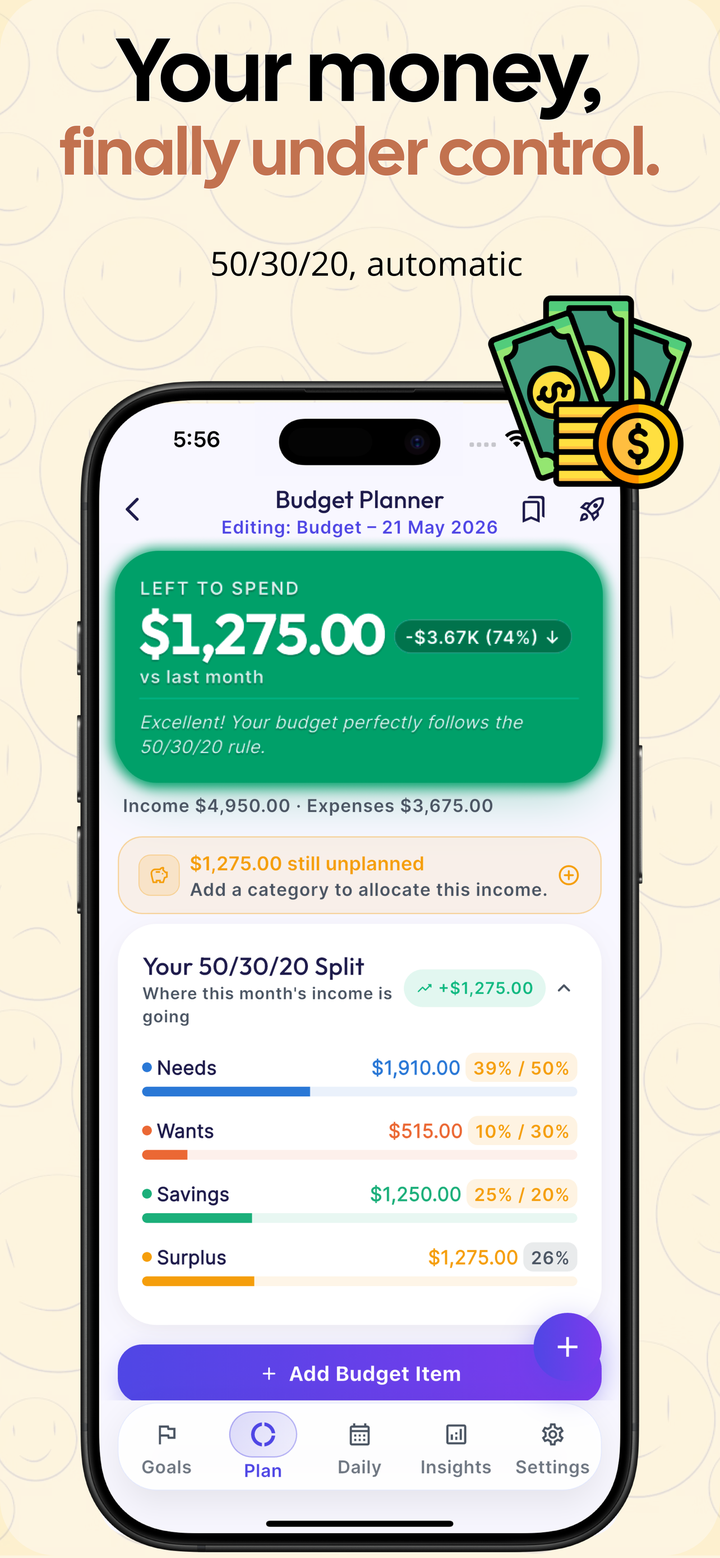
50/30/20 automatically, plus net worth, debt payoff and a month-end forecast. No bank login.
Web + AppExpense Splitter
Split bills with friends and family. Track who owes what and settle up easily.