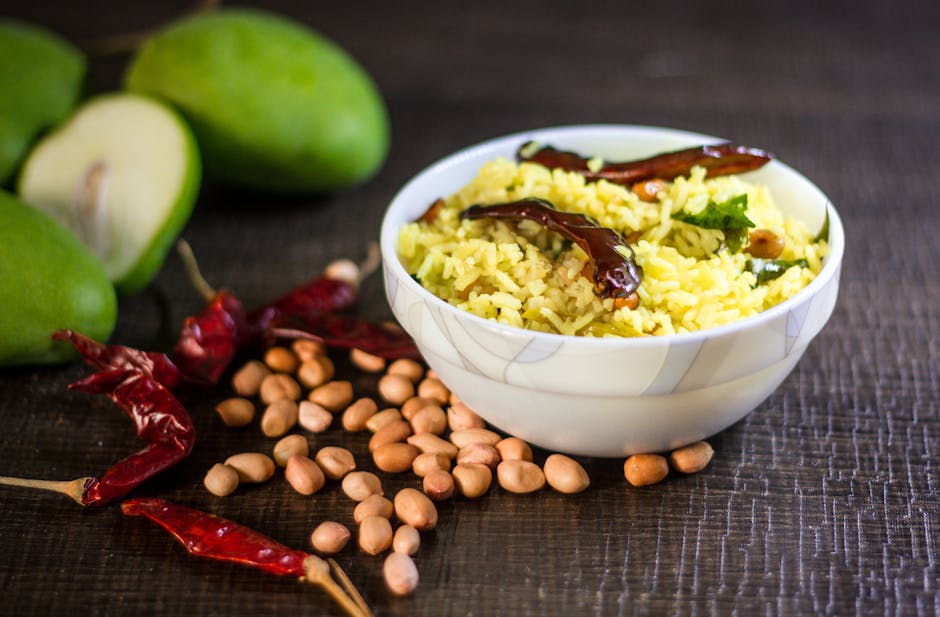
Puliyodarai (Tamarind Rice)
புளியோதரை
Puliyodarai is Tamil Nadu's most sacred and beloved rice dish — tamarind rice prepared in the specific traditional way with puliyodharai paste (a complex blend of tamarind, sesame, peanuts, dried red chillies, and curry leaves cooked together), tossed with cooked rice and a mustard-curry leaf tempering. It is the definitive prasad (religious offering) at South Indian temples — particularly Srirangam, Tirupati, and the Meenakshi Amman temple in Madurai — where the divine taste of temple puliyodarai is considered incomparable and sacred. Its deeply tangy, slightly spicy, nutty flavour profile is uniquely satisfying and is one of the boldest, most complex rice preparations in Indian cooking. The puliyodarai paste can be made ahead and stored, making this highly practical.
- Total
- 35 min
- Serves
- 4
- Level
- Medium
Prep 15 min · Cook 20 min
Ingredients
Method
Soak tamarind in 150ml warm water for 10 minutes. Squeeze and extract thick tamarind paste. Heat gingelly oil in a pan. Add mustard seeds, curry leaves, hing, dried red chillies. Fry 1 minute. Add tamarind extract, turmeric, and jaggery. Cook on medium heat 8–10 minutes, stirring, until the tamarind paste thickens significantly and the oil separates.
About 10 min
Tip: Gingelly (sesame) oil is traditional and essential for authentic flavour — regular oil produces a flat-tasting puliyodarai.
Add roasted peanuts and ground sesame to the thickened tamarind paste. Mix well. Taste — the paste should be intensely sour, slightly sweet from jaggery, and complex. This paste (puliyodarai paste) can be stored in an airtight jar for 2 weeks and used on demand.
About 5 min
Tip: Temple-style puliyodarai uses more sesame and less jaggery — it has a more austere, complex sourness.
Add cooled cooked rice to the paste. Toss thoroughly — every grain should be coated in the deep, glossy tamarind paste. Add a fresh tempering of mustard seeds and curry leaves on top. Serve at room temperature. Do not serve hot — tamarind rice is always room temperature. Serve with papad and yoghurt.
About 5 min
Tip: Puliyodarai improves as it sits — the rice absorbs the paste and the flavour deepens over 30–60 minutes.
Nutrition per serving (estimate)
- Calories
- 400
- Protein
- 9 g
- Carbs
- 54 g
- Fat
- 18 g
- Fibre
- 3 g
- Sugar
- 4 g
- Sodium
- 520 mg
Contains: peanuts, sesame
You might also cook
All Indian recipes 45 min
 Hotel Style Sambar
Indian · Medium
 55 min
 Punjabi Chana Masala (Spiced Chickpea Curry)
Indian · Medium
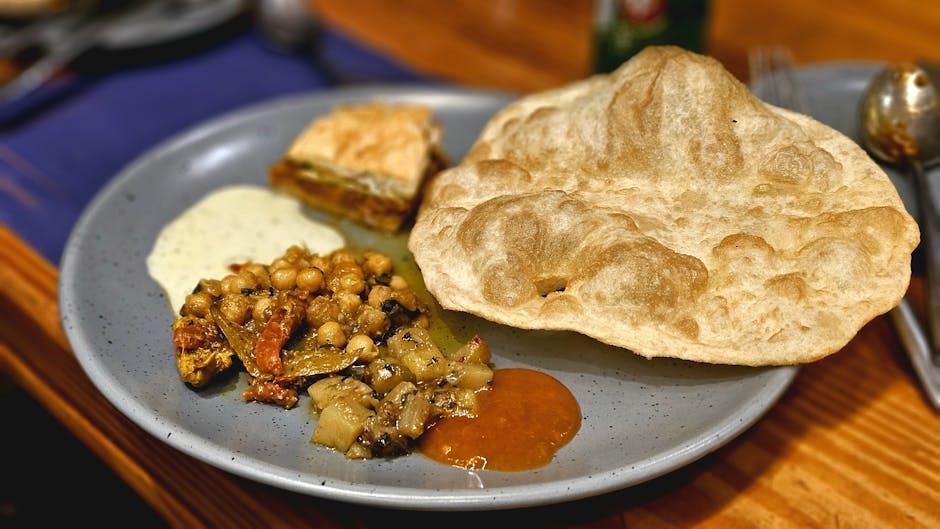 8 hr 50 min
 Chole Kulche
Indian · Medium
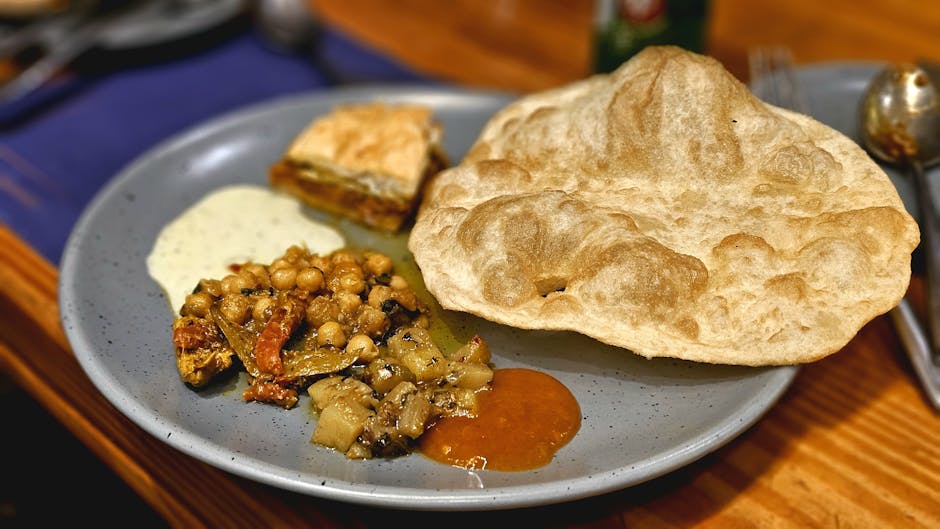 1 hr
1 hr Pindi Chole (Rawalpindi-Style Black Chickpea Curry)
Indian · Medium
 35 min
 Aloo Gobi (Punjabi Dry Potato and Cauliflower Sabzi)
Indian · Easy
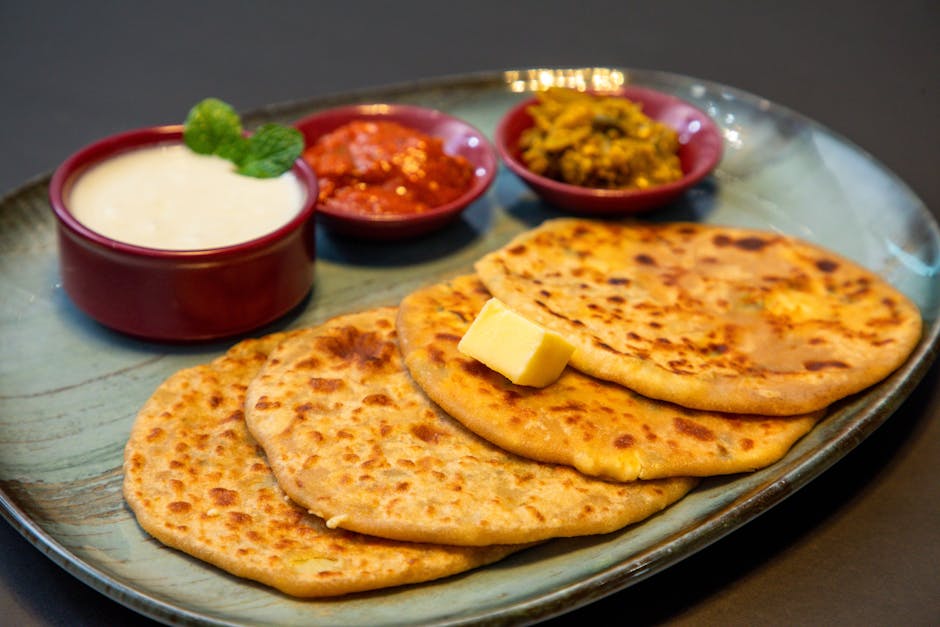 40 min
 Gobi Paratha (Stuffed Cauliflower Flatbread)
Indian · Medium
Recipe by Boon Tools.